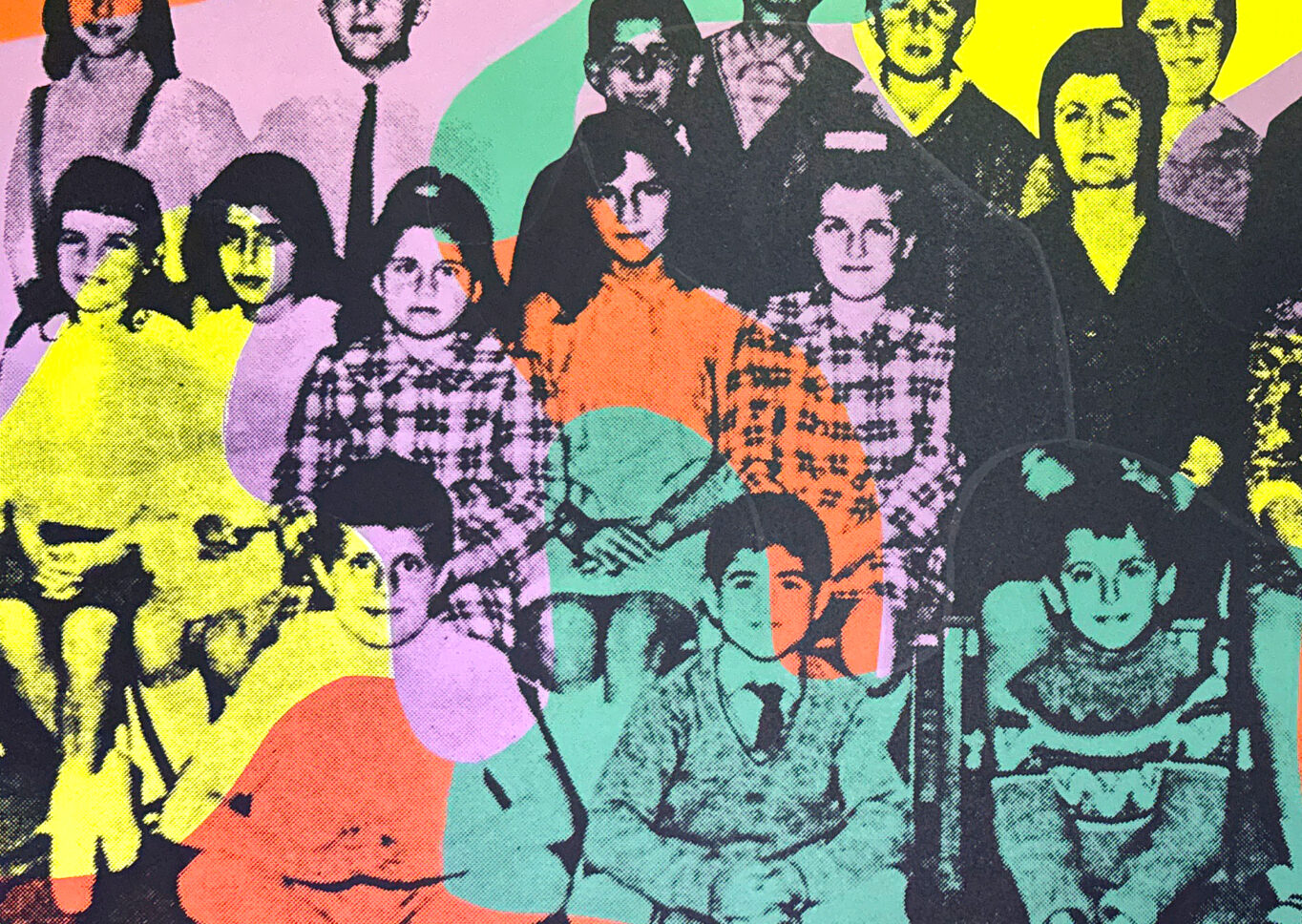
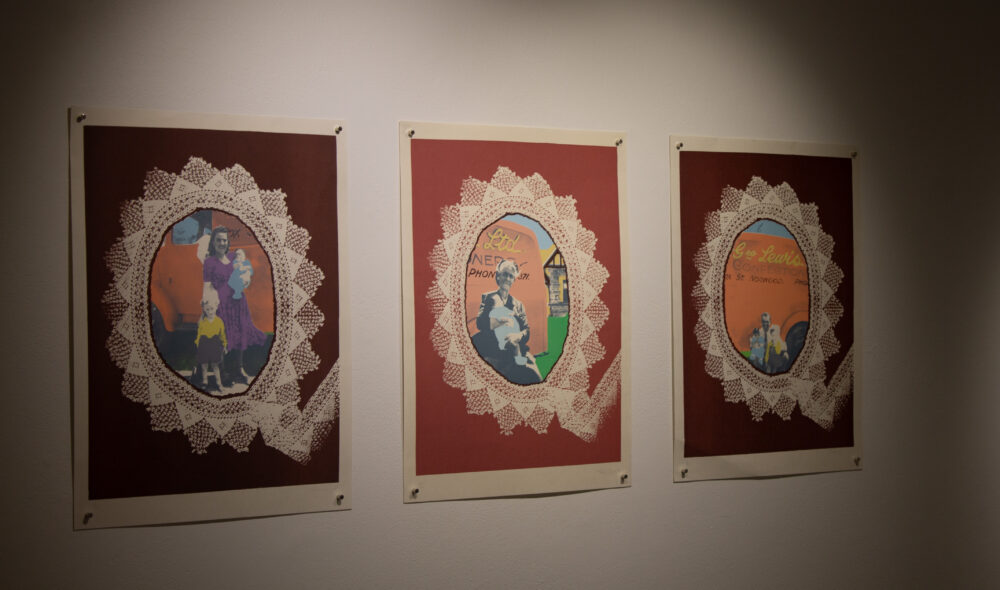
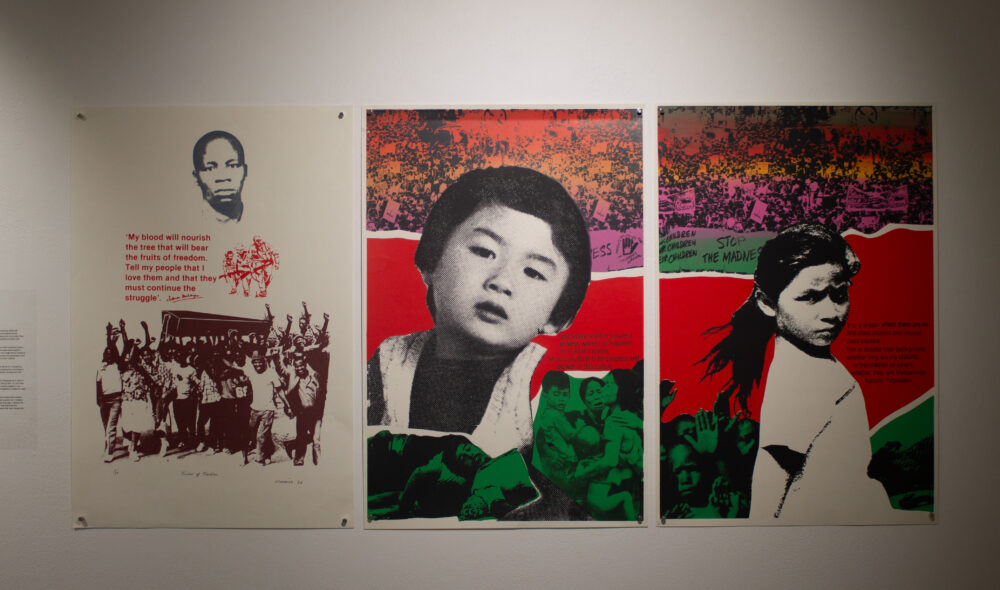
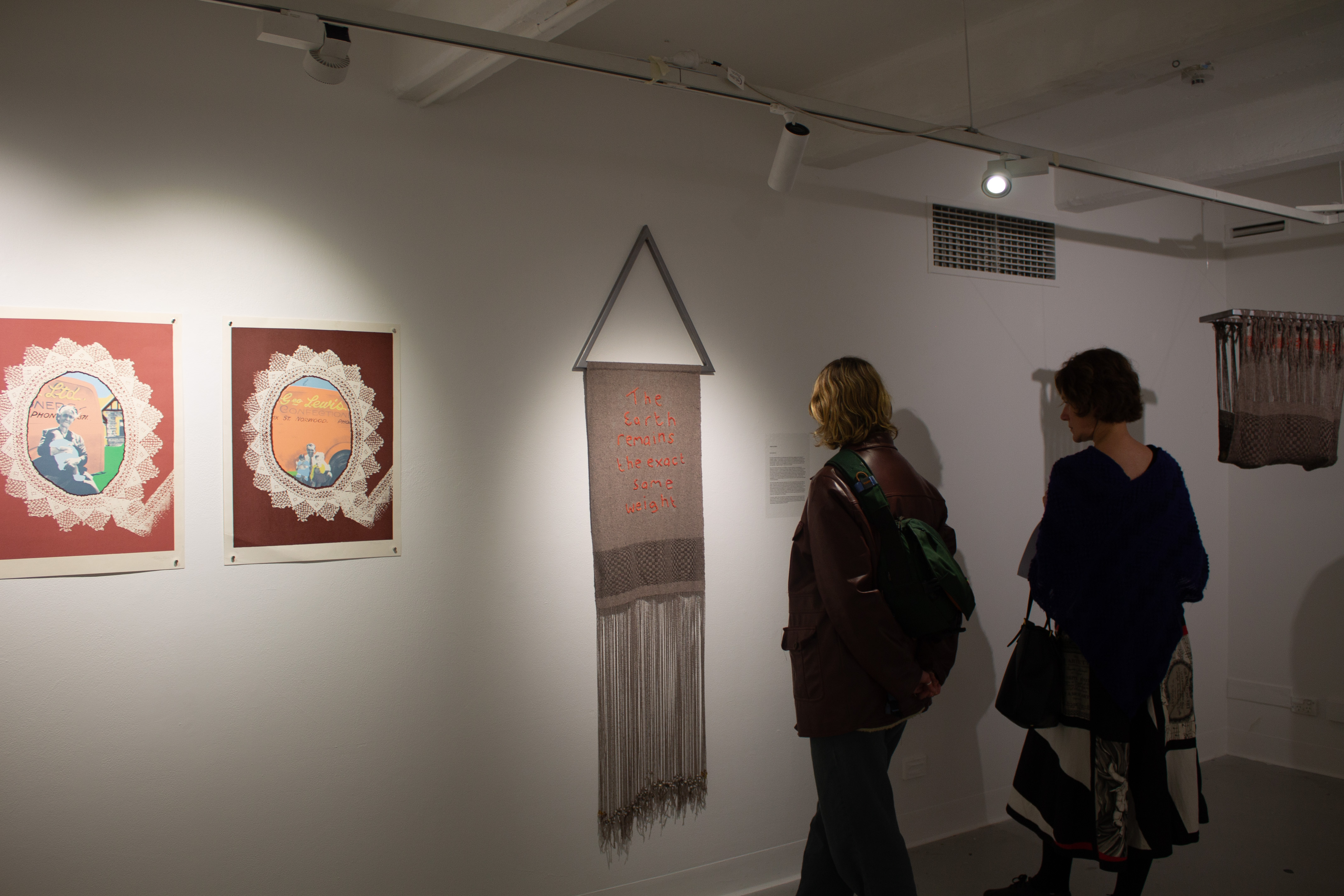
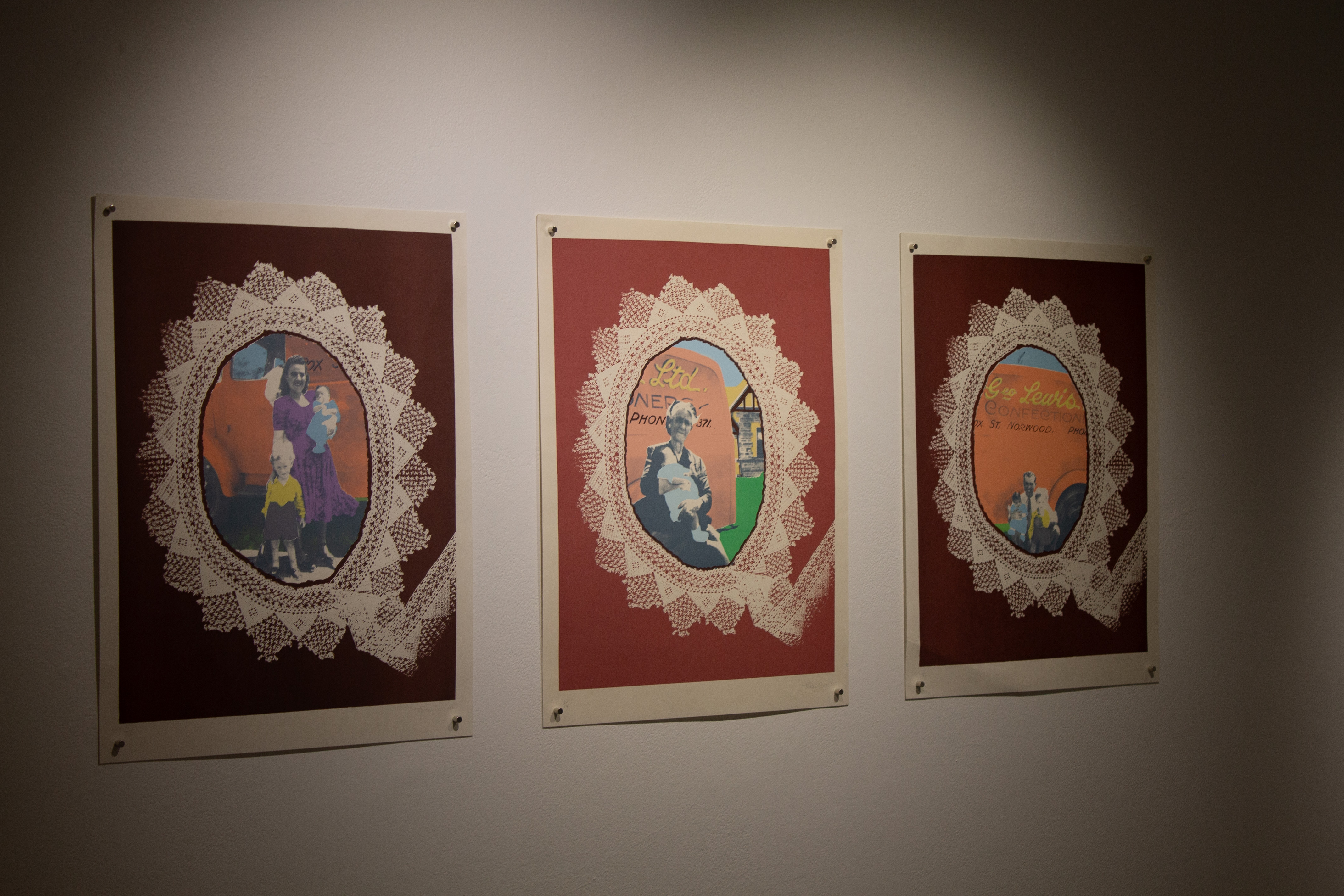
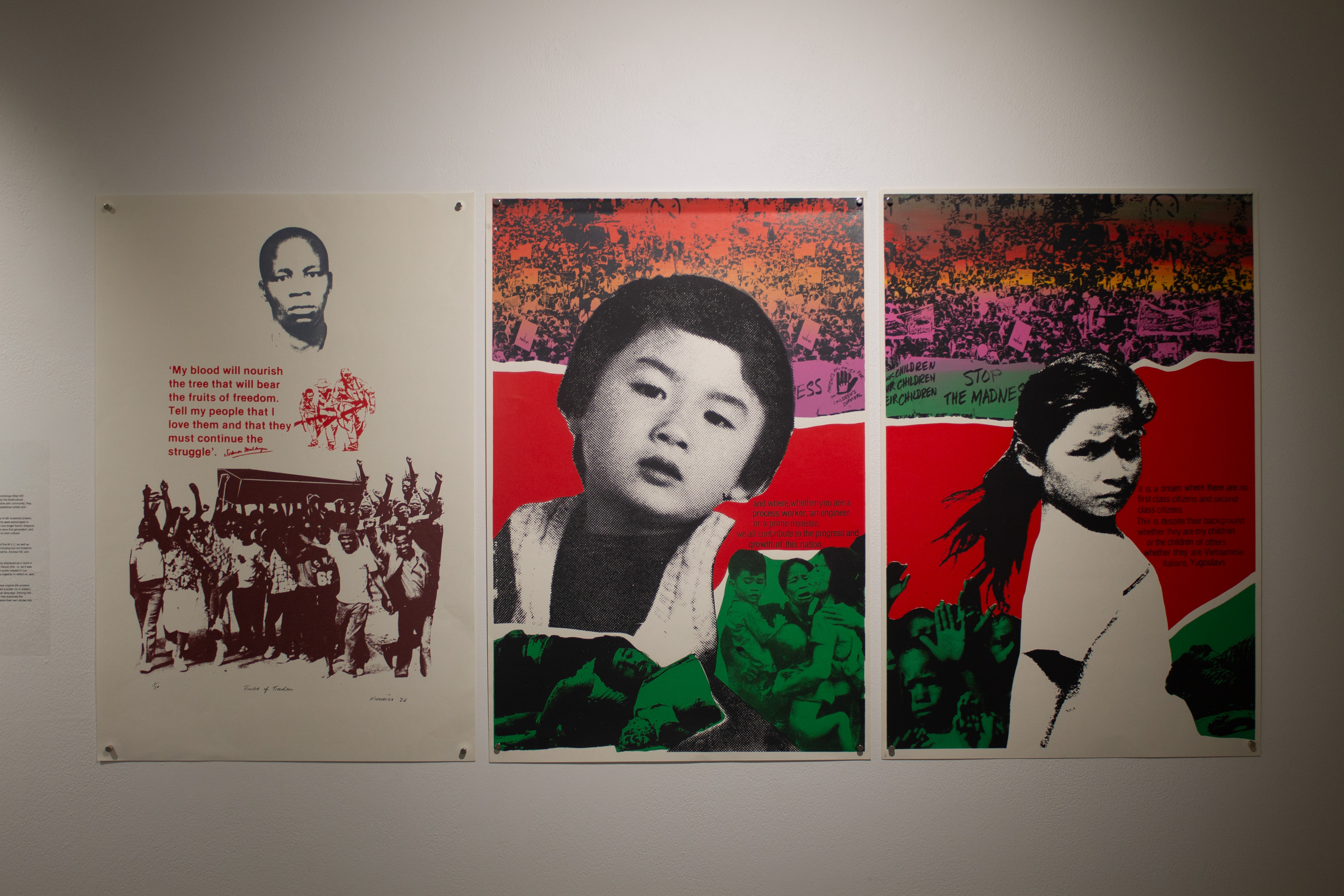
Using the medium of a poster to tell stories of migration and community seems somewhat…. perfect? Graphic compositions of photographs, both of home and new experiences, words written over bright, colour drenched backgrounds. These posters are in some ways hyper real, perhaps mirroring the way so many new experiences can feel saturated as they are being lived. The heightened sense of newness: colours, sounds, smells all feel stronger when we are in an unfamiliar place. The images are slightly blurred, edges a little out of focus, perhaps rendered so by the repeated use and reuse of the screens used to print them. Like memory, there are slippages, misprints and haziness. Memories are changed, slightly different each time they are recalledand retold.
Found in a drawer at Nexus, the original posters are signed but there is little information that remains about the artists. Though some can now be found in national collections others remain almost unknown. Lovingly researched by curator ChiranjikaGrasby, a working theory is that they were created perhaps as part of a workshop. They celebrate shared experiences of community building, collective memory and mutual support, and mourn the losses and devastation felt by those who are severed from their communities.
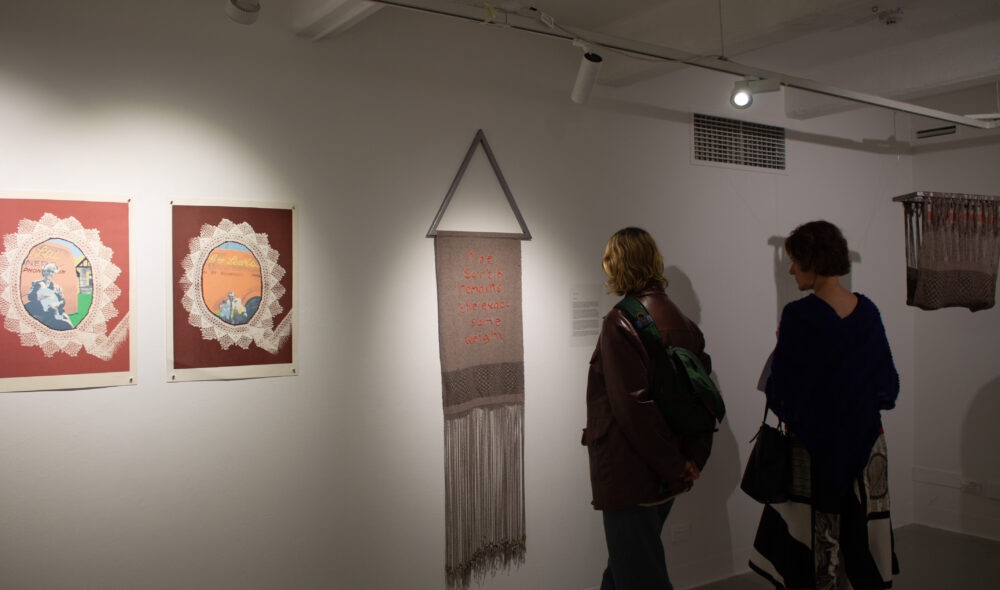
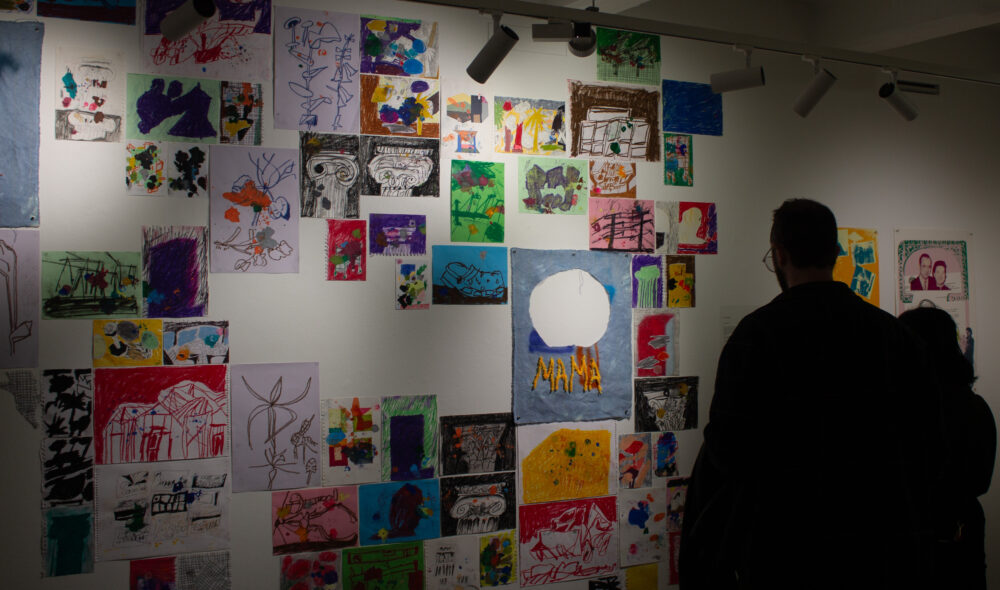
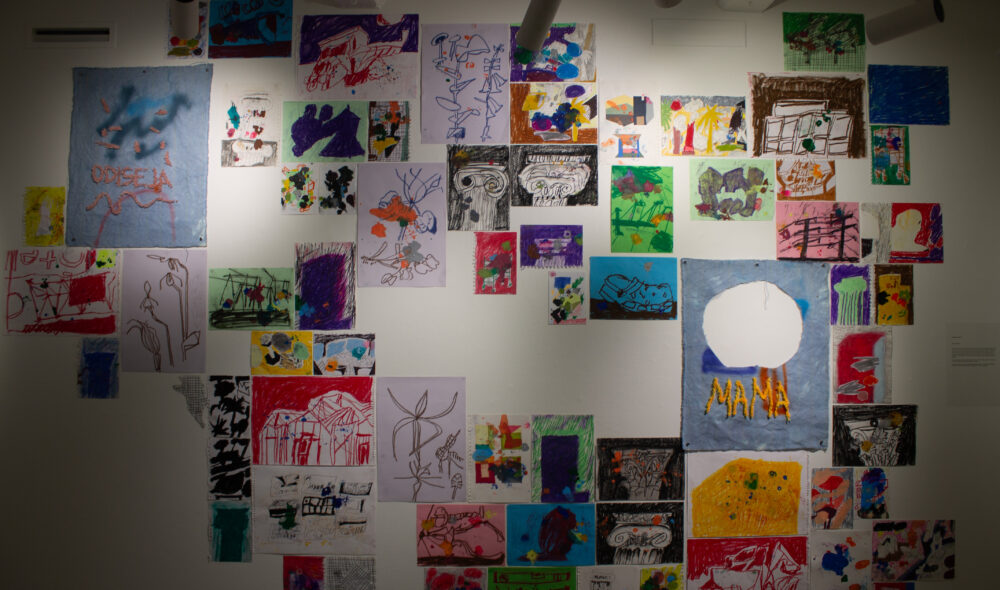
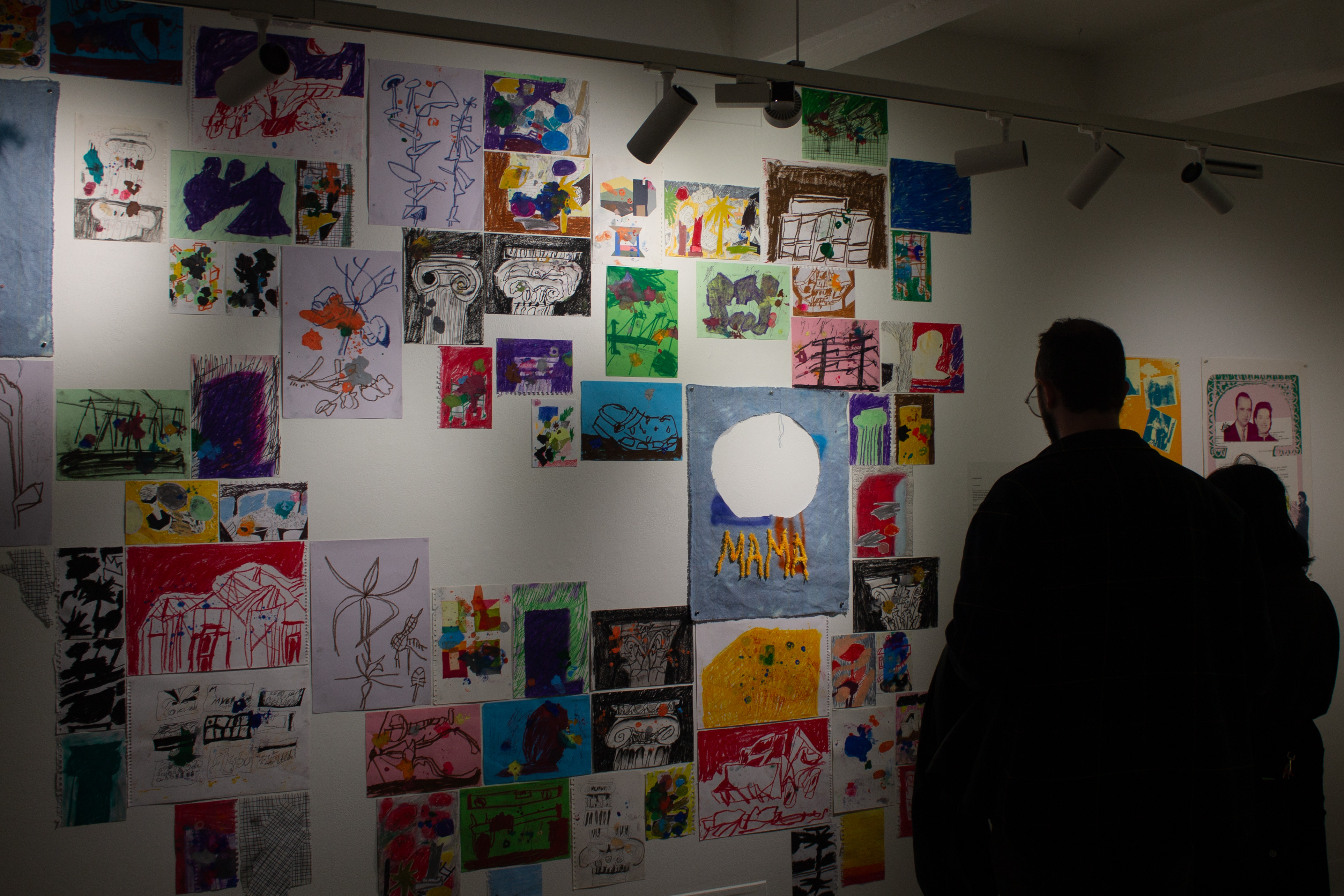
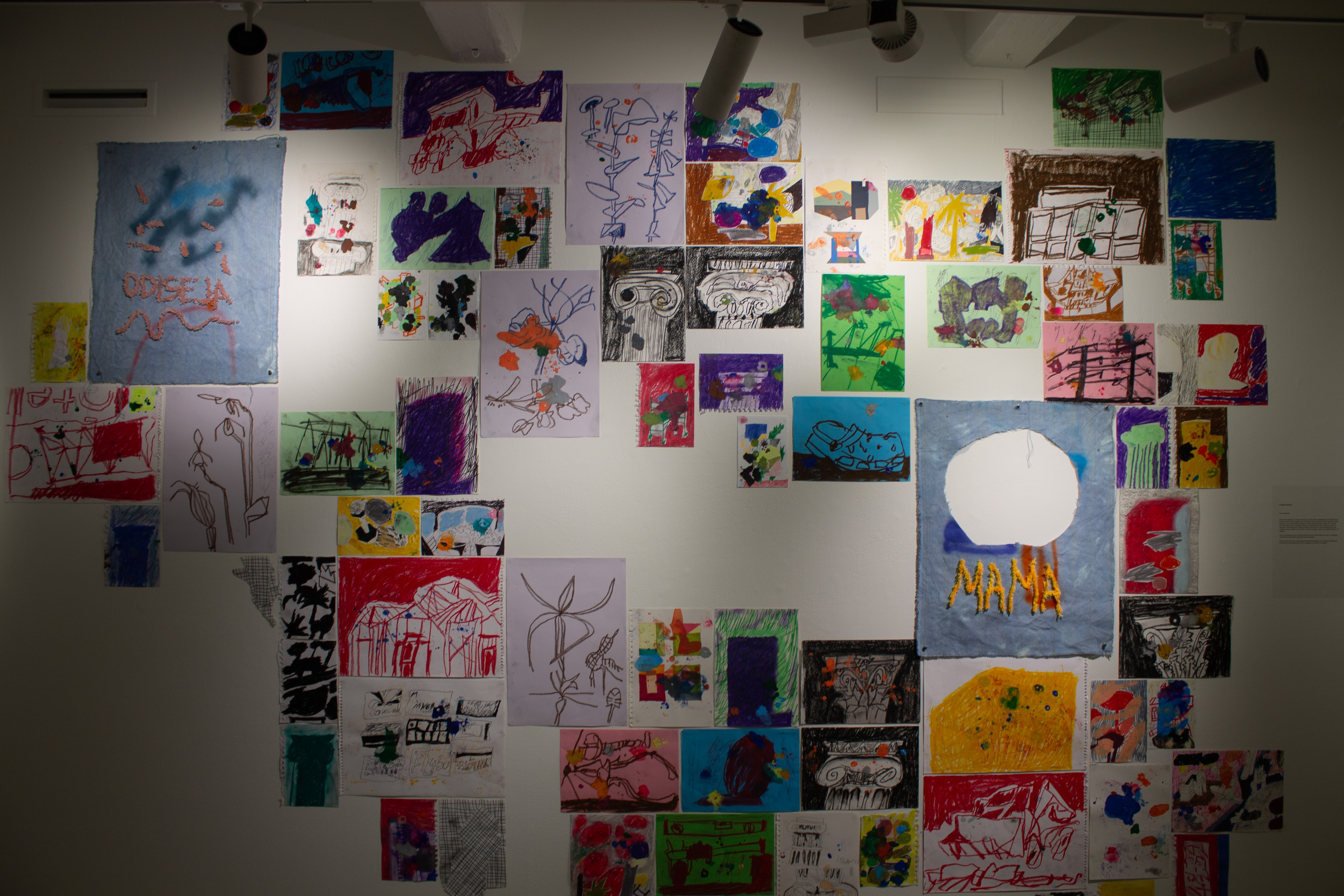
Liliana Pasilic speaks first hand to the experience of leaving, and leaving behind, in her installation. Inspired by the shared elements in both her poster and practice, her work is a collage of memories, places, and senses that have kept her feeling home and grounded through her own migrations. Collaged across the wall, the quick movement, the jumble together and overlapping edges of the papers speak, in Liliana’s view, to the way that memory works, crowding together, overlapping, often in a tumble when homesickness hits. At the center is a textile work; a tufted rug. Traditionally used to keep heat and comfort in a space, the warmth of this deeply personal piece is in contrast to the quick, observer feeling of her drawings. Together, these elementsembrace both the excitement of change and a new place, along with the deep sadness that comes from leaving family and the familiar.
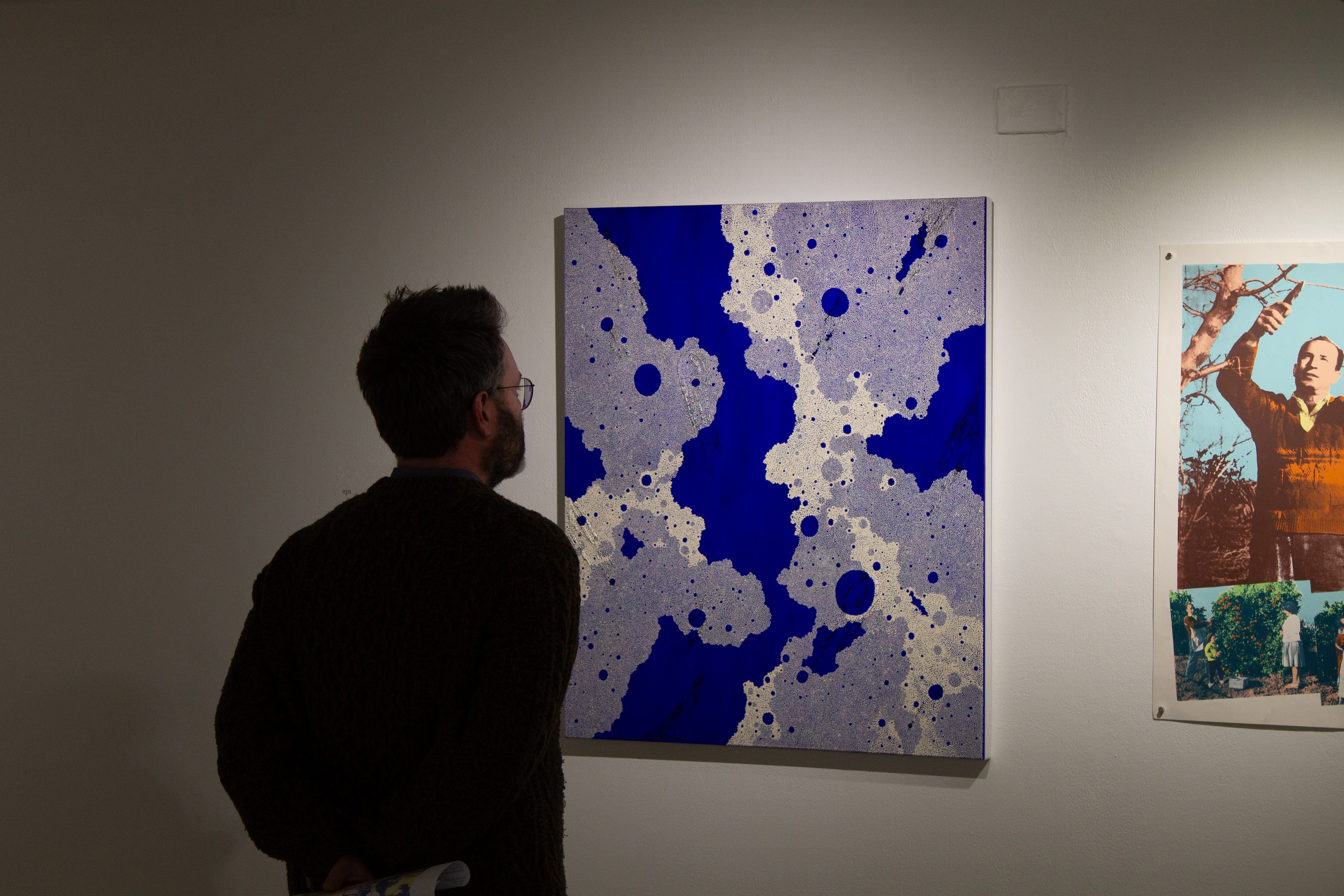
Michelle Joy Magias’ striking painting forms part of her ongoing Unearthing series. Through her practice, Michelle explores how cultural identity is embodied through the senses, creating pieces that unearth connection and offer reflections on culturalcontinuity and healing. This body of work reflects on the relationship between her strong Greek heritage and the impacts of the Stolen Generation on her Kaurna and Narungga roots. The deep blue of the background is a nod to her Greek heritage, a colour woven into the identity of Greece. Across this ground, intricate cream dots tell a story. Michelle’s chosen poster is a collage of photos of grape vines and fruit picking. Family members tending to their gardens. This is reminiscent of her memories of her YiaYia and Papou and their modest Mediterranean garden. A continuation of the cultural traditions, values, and way of life carried from their homeland of Lemnos, and passed down to their children, reflected in Michelle’s father’s home-grown and pickledolives. Michelle speaks to cultural heritage as something deeply rooted within us. While migration may result in physical separation from one’s homeland, culture is carried within — lived through language, echoed through music, shared through food,and sustained through traditions passed from one generation to the next.
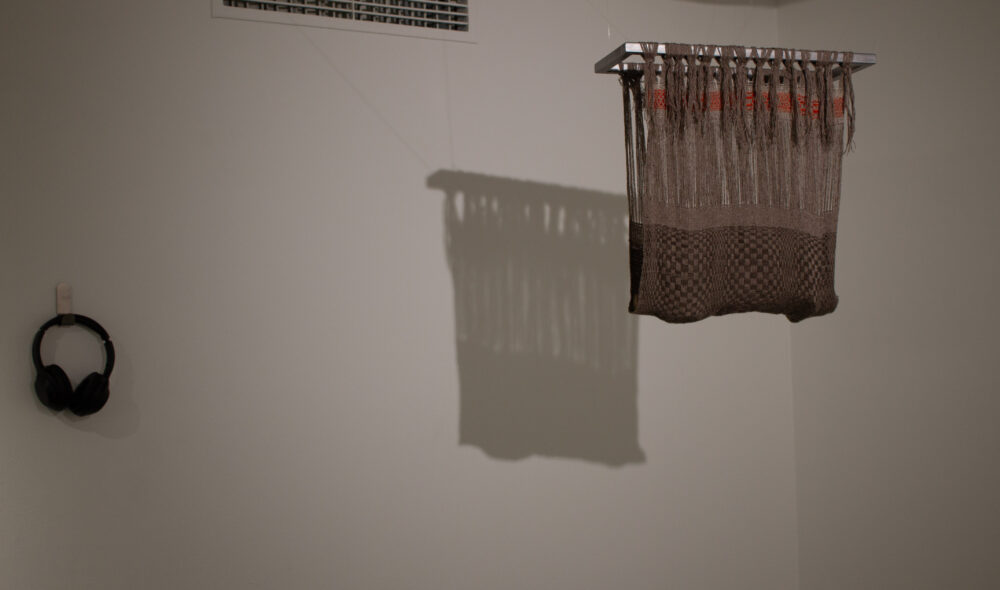
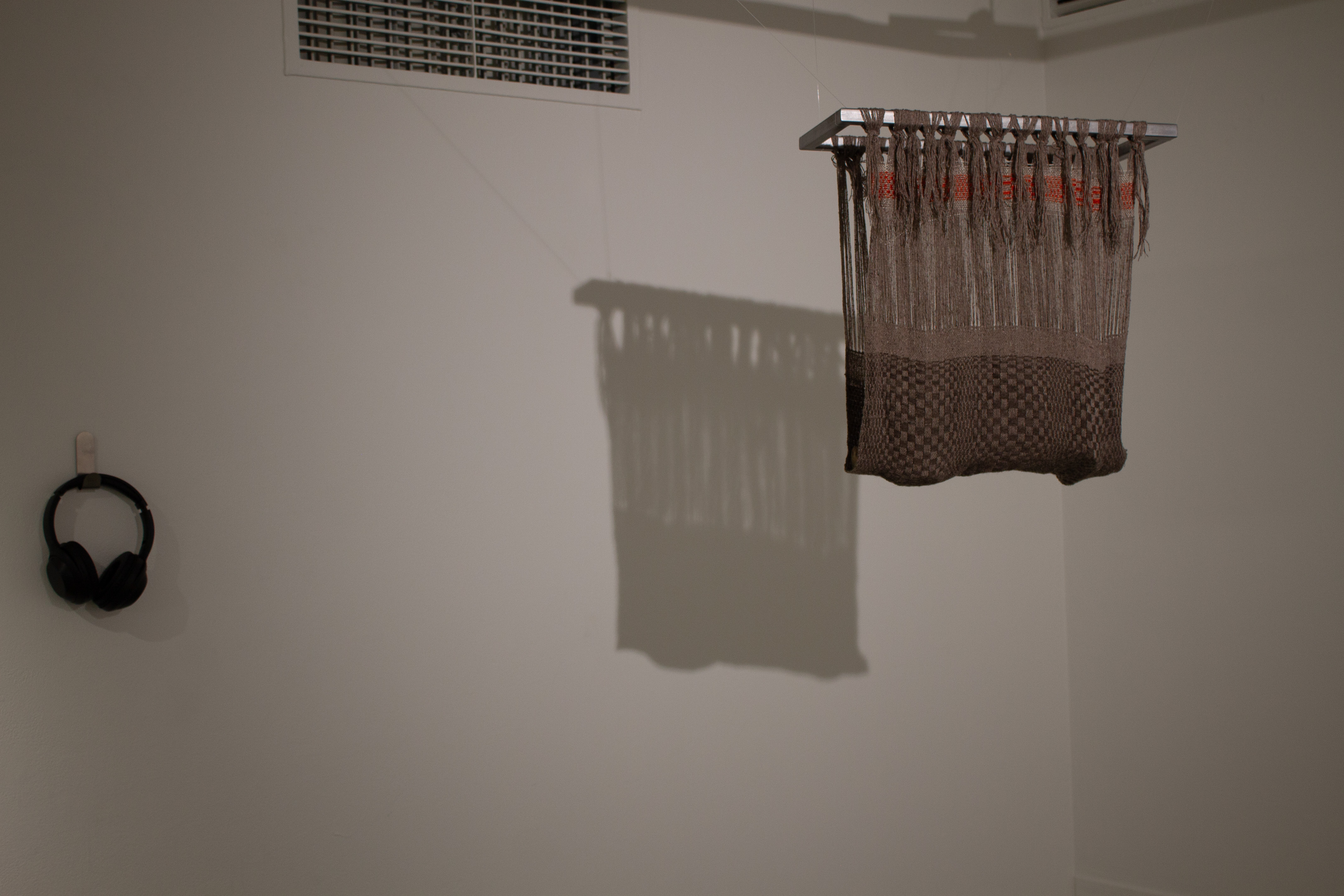
Adele Sliuzas has woven three pieces, worked in a traditional Scandinavian and Baltic weaving techniques. They hang on the wall or draped over a table, adorned with objects from her father’s shed. Adele has been disconnected from her grandfather’s culture, and seeks to reconnect through her textile practice. When arriving in Australia in 1947, post-WWII from Lithuania, Adele’s Grandfather was forced to anglicise his name and sent to work regionally as a laborer. There are echoes of this labor in the woven works; geometric patterns mimicking those of bricks and foundations, a focus on creating a solid object that provides shelter (buildings/bridges/sheds) and protection (textiles/hangings/blankets). The works are made at home, snuggled at times with her family as she finishes tassels and edges. Through the sharing of these moments Adele is able to connect to the family she has created, to begin to heal the disconnections she has experienced.
Though the experiences of these artists, both poster makers and contemporary artists, differ what seems to bring them together is the desire to connect – with history, family, culture, and community. At a time when the world is feeling increasingly cruel, particularly to members of marginalised communities, exhibitions such as this remind us not only of our resilience, but also our connection to each other. Across time, across generations, across oceans, we are reminded that we have more in common than we may think.
Catalogue essay written by Eleanor Scicchitano
The author wishes to acknowledge that she lives and works on the unceded lands of the Kaurna people. Collectively the author, artists, and gallery, would like to pay their respects to Elders past, present, and emerging, and recognize the difficulty of celebrating migratory stories on stolen lands.
Sovereignty was never ceded.
Always was, and always will be, Aboriginal land.